
Preparing for Your New Puppy’s Arrival
Explore essential tips for welcoming your new dachshund home, covering care, training, and creating a loving home environment for a smooth transition.
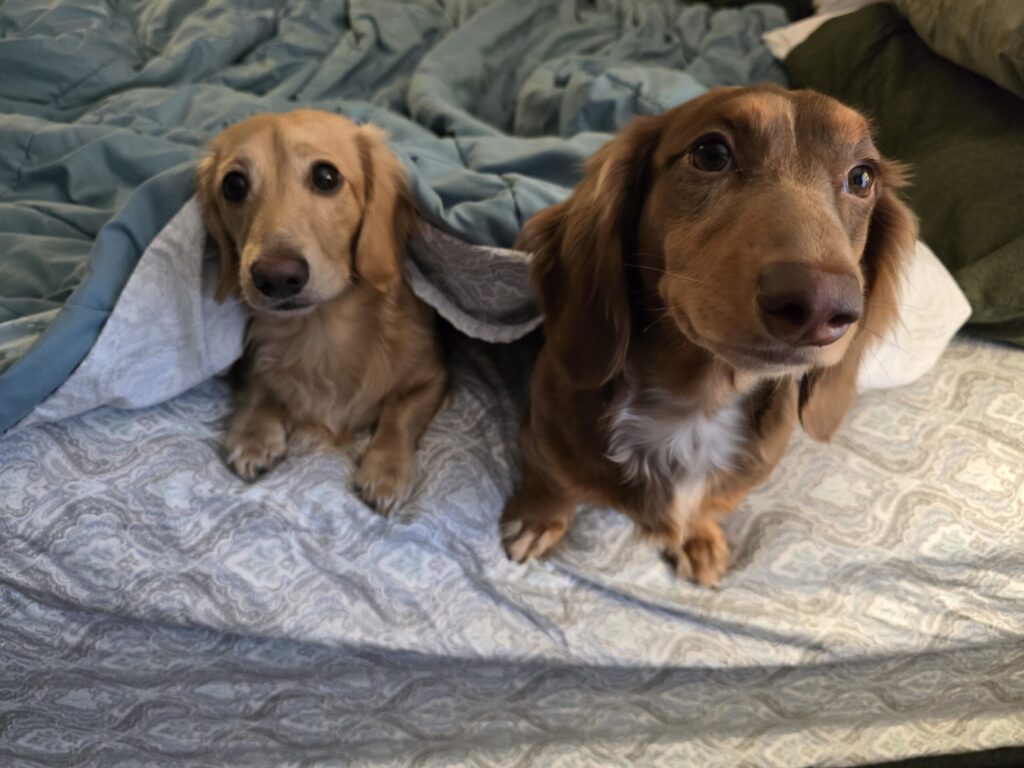
Puppy Prep
Discover essential tips to welcome your dachshund puppy with care, ensuring a smooth transition for your family and furry friend.

Create a Safe Puppy Environment
Learn how to puppy-proof your home to keep your new dachshund safe, comfortable, and happy from day one.
Establish Consistent Training Routines
Find out how early training builds strong bonds and promotes good behavior in your long-hair miniature or tweenie dachshund.
Maintain Your Puppy’s Health
Understand essential health care practices to keep your puppy thriving during their critical growth stages.

At-Home Essentials
Learn essential steps to ready your home and family for your new dachshund puppy’s arrival, ensuring comfort and confidence.

Step One: Puppy-Proof Your Home
Begin by securing your living space to keep your puppy safe, removing hazards, and creating a welcoming environment for your new companion.
Hide cords and cables — use cord covers or cable organizers to prevent chewing.
Secure trash cans and keep them out of reach.
Move houseplants up high — many common plants (like pothos or lilies) are toxic to dogs.
Block off unsafe areas with baby gates (stairs, laundry rooms, or storage areas).
Keep small objects like coins, batteries, rubber bands, and children’s toys picked up.
Store cleaning supplies, medications, and fertilizers in closed cabinets.
Check your yard for ant traps, pesticides, or sharp objects.
Keep candles, essential oils, and diffusers out of reach — some scents are toxic to dogs.
Unplug small appliances when not in use.
Always check the washer, dryer, and recliners before use — curious pups love to climb in!
Cover open heating vents and secure loose rugs to prevent slips.
Set up a safe playpen or crate area for unsupervised time.
Provide chew toys to redirect nibbling away from furniture and shoes.
Keep food, treats, and supplements stored safely out of reach.

Step Two: Essential Supplies
Gather all necessary items such as bedding, food, and toys tailored for miniature and tweenie dachshunds to support their care and development.
Keep your puppy healthy by providing fresh water and nutritious meals in sturdy, easy-to-clean bowls. Choose durable, non-tip options — stainless steel is ideal for preventing bacteria buildup and keeping things sanitary. Regularly washing and refilling your puppy’s bowls encourages good hydration and healthy eating habits.
For the first two weeks after your puppy comes home, do not introduce any new treats or foods. During this adjustment period, your puppy’s stomach is sensitive, and any sudden changes can lead to diarrhea or vomiting.
You can absolutely reward your puppy for good behavior — just use a few pieces of their regular puppy kibble instead of treats. Once your puppy has fully settled in and their digestion is stable (after the two-week mark), you can begin introducing new treats slowly to see how they’re tolerated.
When it comes to treat quality, remember that moderation is key. If your puppy is eating a high-quality food, treats don’t have to be “gourmet” — they should simply be a small, enjoyable reward!
Hygiene Products
(Shampoo, Nail Clippers, and Brushes)
You can bathe your puppy as often as needed, but remember that over-bathing can strip away the skin’s natural oils. We recommend using a gentle puppy shampoo or a no-tear baby formula for now. Dachshunds are generally low-odor dogs, so baths are usually only necessary when they’ve gotten into something messy.
Between baths, brush your Dachshund once a week with a soft-bristle brush or rubber grooming mitt to remove loose hair and keep their coat smooth and shiny.
Your puppy has been accustomed to nail trims every two weeks since birth. Keeping up with this routine will help prevent overgrown nails and make grooming a positive, stress-free experience as they grow.

Vaccinations
Focus on gentle introductions and establishing routines that promote your puppy’s comfort, health, and smooth transition into your family.
Your puppy will have received the Bordetella vaccine at 3 weeks of age and the DHPP combination vaccine (Distemper, Adenovirus, Parvovirus, and Parainfluenza) between 6–8 weeks of age. A complete Health Record will be included in your take-home packet for your veterinarian’s reference.
At 4H Farms Dachshunds, we strongly believe in the importance of routine vaccinations and consistent parasite prevention. We use HeartGuard and Interceptor Plus monthly to prevent heartworms, roundworms, hookworms, and tapeworms.
Diseases like heartworm and Lyme are completely preventable with proper care. Neglecting vaccinations and preventatives can lead to serious illness, lifelong health problems, or even death — and often at a far greater cost than prevention. Protecting your puppy is just as important as protecting your home or car. Take every precaution for your newest family member — vaccinate and stay consistent with preventatives!
Home Health Tips
Discover essential tips to ensure a smooth and joyful transition when bringing your dachshund puppy home.
Deworming & Digestive Health
Your puppy has been dewormed on a consistent schedule: Pyrantel at 2 and 6 weeks of age, and Panacur at 4 and 8 weeks of age. While all of our adult dogs are dewormed monthly, it’s important to note that mothers can still carry certain parasites and pass them to their puppies — even if they don’t show symptoms themselves.
Loose stools can occur for a variety of reasons, with stress being one of the most common triggers. Factors such as adjusting to a new home, a change in food, or separation from their littermates can all contribute.
Two common intestinal parasites that may appear during stressful transitions include:
- Coccidia: A microscopic parasite that can flare under stress; it’s easily treated with Albon.
- Giardia: A parasite found in many animals; research shows that up to 50% of puppies (even in well-cared-for environments) carry it. It’s typically treated with Metronidazole or Panacur.
Despite our strict cleaning, sanitizing, and preventative care routines, these parasites can still surface when a puppy experiences stress after going home. For that reason, we strongly recommend bringing a fresh stool sample to your puppy’s first veterinary visit so your vet can test and treat proactively if needed.
In addition, during the first four months—or until your puppy is fully immunized—please avoid public parks, pet rest areas, and contact with unvaccinated animals. These areas are common sources of intestinal parasites and Parvovirus, a serious and preventable disease.
By staying proactive with deworming, veterinary care, and safe socialization, you’ll help your puppy stay healthy and comfortable during their important early months.

Family Readiness
Toys & Chewing
Your puppy will need a variety of safe, durable toys to play with and chew on. Chewing is a natural part of teething and helps your puppy learn appropriate behavior.
We do not recommend rag or braided rope toys, as there have been reports of dogs experiencing intestinal distress after swallowing loose fibers. Instead, we suggest sturdy options such as Nylabones, squeaky toys, and hard rubber chew toys that are designed for puppies.
Provide your puppy with a small toy box or basket so they always know where to find their toys. This helps them learn which items belong to them and keeps their environment fun and structured.
When your puppy chews or bites something they shouldn’t, say a firm “No” and immediately redirect them to an appropriate toy. Puppies should never be allowed to chew on hands, clothing, or shoes — this prevents future behavior issues and keeps playtime positive for everyone.
If you have children, teach them to use toys instead of their hands for play. When the puppy becomes overly excited or rough, it’s best for kids to calmly step away or move to a higher spot (like the couch) until the puppy settles down. Consistent redirection and gentle boundaries create a well-mannered, happy companion.
Crate Training: Creating a Safe & Happy Space
The goal of crate training is to help your Dachshund feel comfortable and secure in their crate — whether it’s at home, during travel, or at the vet’s office. A properly crate-trained dog views their crate as a safe den or personal “bedroom,” not as a place of punishment.
Crate training benefits every dog when used correctly. Because Dachshunds are natural den animals, their crate becomes a cozy retreat where they can rest and recharge. It’s also a valuable training tool for potty training and preventing destructive behavior when your puppy can’t be supervised. However, the crate should never be used for long-term confinement. If a puppy needs to spend most of its life in a crate due to a busy schedule, it’s best to wait until you have more time to devote to training and companionship.
Choosing the Right Crate
Select a crate that will fit your Dachshund as an adult — typically 28–31 inches long. It should be large enough for your dog to stand, turn around, and lie down comfortably. For young puppies, you can temporarily reduce the space by placing a pillow or divider in the back. Puppies that have too much space may sleep on one end and potty on the other.
We prefer plastic crates over wire ones. Plastic provides a more enclosed, den-like feel and is easier to clean. Wire crates can make a puppy feel exposed, and covering them with a blanket often leads to chewing and pulling fabric inside.
Building a Routine
Crate training works best when used as part of a daily routine. Always take your puppy outside to potty before crating them. Use the crate for short naps, nighttime sleep, or brief periods when you’re away.
At night, place the crate near your bed so your puppy can sense your presence. Offer a small treat and a non-squeaky toy before bedtime (trust us on that one!). Expect some fussing at first — this is normal. Gently reassure your puppy with a calm “night-night.” In the first few weeks, your puppy may need to go out once overnight. When that happens, stay quiet, take them out to potty, calmly praise them, and return them to the crate. Avoid turning on bright lights or making it a playtime event — you want your puppy to understand that nighttime is for sleeping.
If your puppy has an accident in the crate, it’s simply a sign that they were left too long or didn’t potty enough beforehand — not something to punish. Just clean it up and adjust your schedule. Puppies naturally prefer to keep their sleeping space clean.
Daytime Familiarization
During the day, keep the crate in the same room where your puppy spends time. Leave the door open so they can explore it freely — many puppies will choose to nap there on their own. Once your puppy is fully potty trained, you can decide whether to leave the door open at night (and yes, many Doxie families happily admit to “spooning a Dachshund” now and then!).
With patience, consistency, and positive reinforcement, your Dachshund will learn to see their crate as a comforting, safe space that’s truly their own.
Tips for At Home
Stain Remover
Accidents happen, especially during puppyhood. Having a reliable pet-safe stain remover on hand can save your carpets and floors from unwanted marks and odors. Look for enzyme-based cleaners that effectively break down stains and neutralize odors without harmful chemicals, keeping your home fresh and your puppy safe.
Comfort & Rest
Your puppy deserves a soft, comfortable place to rest and recharge. Choose a size-appropriate bed that offers good support for their growing body. A cozy bed not only helps your puppy feel secure but also establishes a designated sleeping spot — promoting better rest, healthy habits, and a sense of routine.